kitchensrenovations online
Kitchen Renovation Guide 2025
Site: kitchensrenovation.shop · Updated guide for practical upgrades, layouts, materials, and planning (Blogger-safe HTML).
Special Offer (OGAds)
If you want to check a quick rewards offer, tap the button below (opens in a new tab).
Claim Gift Card OfferContents
1) Renovation basics: what you are changing
A kitchen renovation is a planned update of the core elements you use every day: storage, worktops, appliances, and lighting.
Even a “small” renovation can change how fast you cook, how clean the space stays, and how confident you feel using it.
Start by listing what currently slows you down—counter space, storage, or poor layout—and fix the biggest pain first.

our live services<<<SEDO>>>
2) Layout planning: the workflow that saves time
A good kitchen layout is built around the “work triangle” (sink → cooktop → fridge). When these points are too far apart, cooking becomes tiring.
For small spaces, a galley layout keeps everything within reach; for open homes, an island layout adds seating and preparation space.
Measure your room carefully and choose the layout that matches your family’s daily movement pattern.

3) Cabinets that work (and still look premium)
Cabinets are the visual “architecture” of your kitchen—choose them with long-term use in mind, not just style trends.
If you cook daily, prioritize deep drawers for pots and pans; if you entertain, add glass-front doors for display.
Add soft-close hinges to remove noise and protect the finish over time.
- Shaker (classic, clean, easy to match)
- Flat panel (modern, minimal lines)
- Two-tone (upper vs lower contrast)
- Glass-front (for dish display)
- Full-height pantry (max storage)
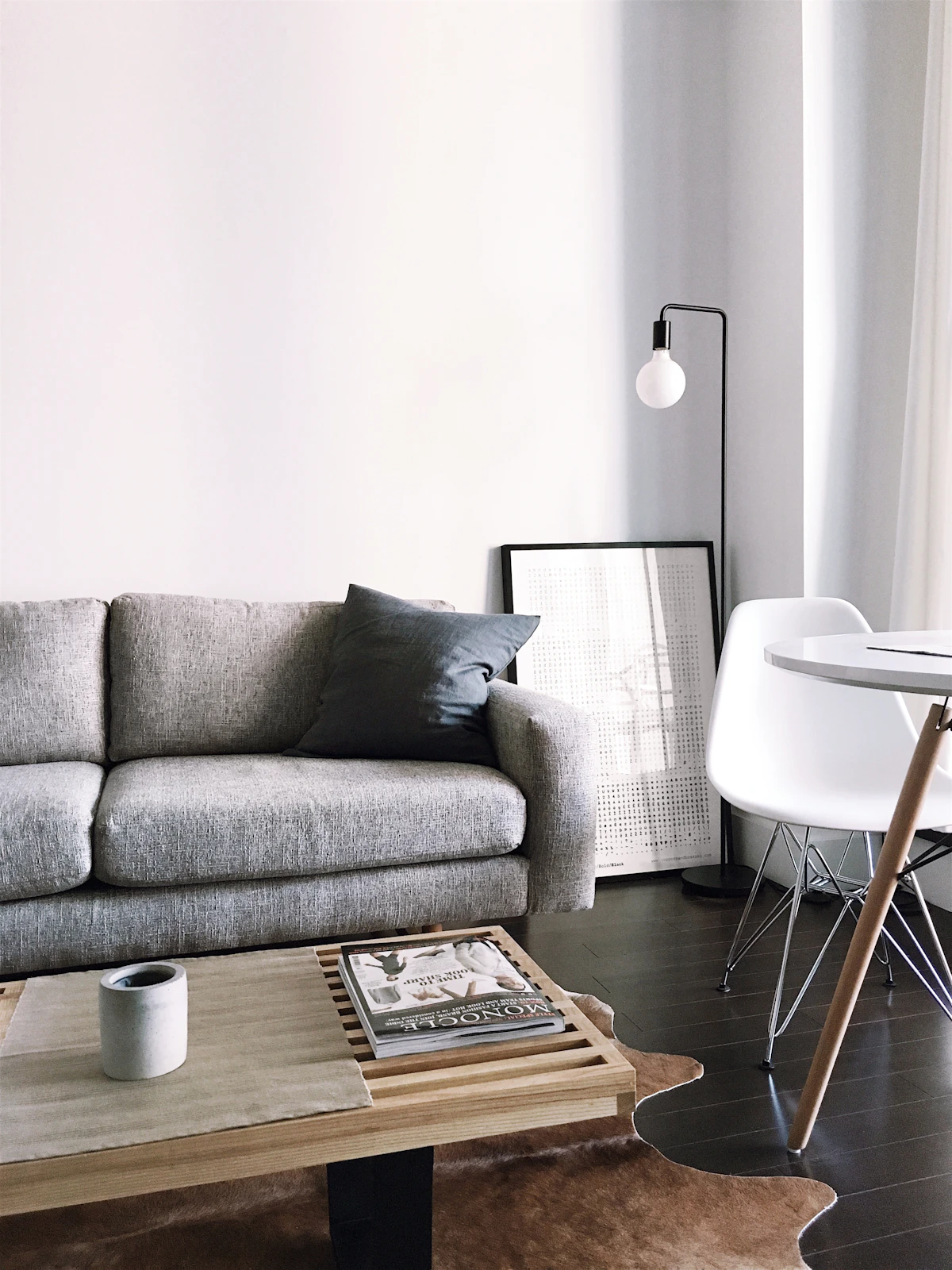
4) Countertops: the hard-working surface
Your countertop should survive heat, knives, and daily cleaning without losing its finish or changing color.
For most homeowners, quartz offers a strong balance of durability and low maintenance.
If you love natural stone, granite is tough; if you want luxury and drama, marble delivers—but needs extra care.
- Quartz (best all-round choice)
- Granite (natural strength)
- Marble (premium look, higher upkeep)
- Butcher block (warm feel, regular oiling)
- Solid surface (seamless and repairable)
5) Flooring options: choose the most practical finish
Kitchen floors take the most abuse—spills, dropped utensils, and constant foot traffic—so durability matters more than “just looks”.
If your kitchen is also a dining space, choose something comfortable underfoot and easy to mop quickly.
A good rule: prioritize water resistance first, then appearance and price.
- Porcelain tile (tough + water resistant)
- Luxury vinyl plank (warm look, easy install)
- Engineered wood (wood feel with better stability)
- Laminate (budget-friendly, quick refresh)
- Polished concrete (industrial, durable)
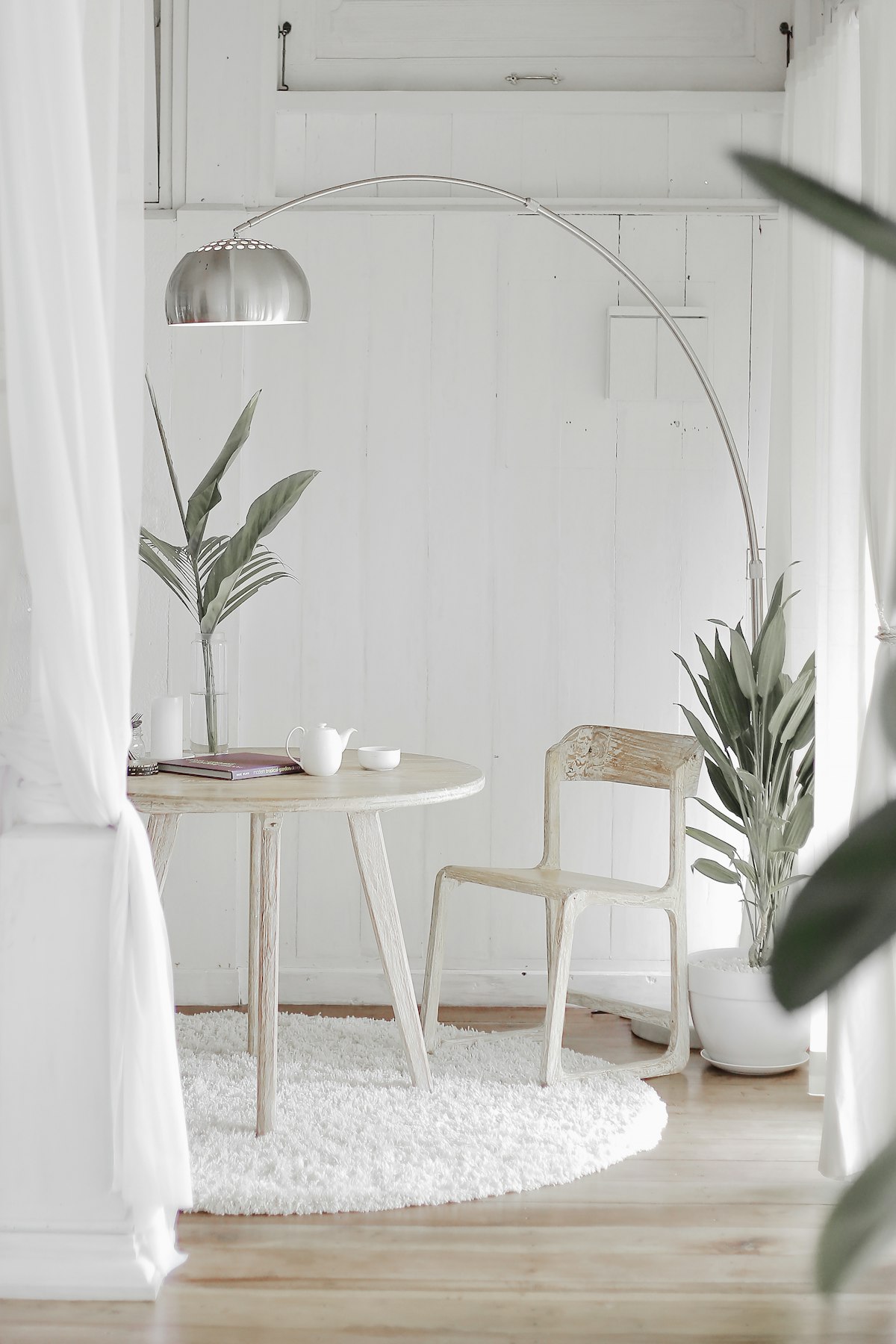
6) Lighting plan: make every task easier
Lighting is the hidden upgrade that makes new cabinets and countertops look even better.
Combine ambient light (overall room), task light (work areas), and accent light (feature zones) for the best result.
Under-cabinet LEDs are one of the most impactful upgrades because they remove shadows from your worktop.
- Recessed ceiling lights (even brightness)
- Under-cabinet LEDs (task clarity)
- Pendant lights (style + focus)
- Toe-kick lighting (soft night glow)
- Dimmable controls (flexible mood)
7) Backsplash styles: protection + personality
A backsplash protects walls from splashes and makes cleanup faster—especially near the sink and cooktop.
Choose a pattern that supports your overall theme: clean lines for modern, textured tiles for character.
If you want a quick upgrade with big impact, a new backsplash is one of the best “before/after” changes.
- Subway tiles (timeless)
- Herringbone (premium pattern)
- Mosaic (eye-catching detail)
- Glass tiles (bright & reflective)
- Stone-look porcelain (natural vibe)
8) Appliances & smart upgrades (real convenience)
Smart appliances can save time by automating temperature control, reminders, and maintenance checks.
Even if you don’t go “full smart”, choosing efficient models can reduce electricity bills over time.
For most kitchens, start with a reliable fridge and an efficient oven—then add smart features later if needed.
- Energy-efficient refrigerator
- Induction cooktop (fast + safe)
- Quiet dishwasher (high performance)
- Smart oven (remote control + presets)
- Touchless faucet (hygiene upgrade)

9) Storage & organization (make every drawer count)
Great storage is not about having more cupboards—it’s about using the space you already have more intelligently.
Add organizers that match your daily habits: if you cook often, prioritize spices, knives, and pan storage.
Labeling and zoning (baking zone, prep zone, cleanup zone) keeps the kitchen fast and stress-free.
- Pull-out pantry shelves
- Drawer dividers for cutlery
- Pot and pan organizers
- Spice racks near the cooktop
- Under-sink storage caddies
10) Budget & timeline (plan first, spend smarter)
A kitchen renovation becomes stressful when budgeting is unclear—build a simple plan before buying anything.
Divide your budget into essentials (cabinets, countertops, appliances) and upgrades (lighting, finishes, accessories).
Keep a 10–15% buffer for surprises like extra wiring, plumbing changes, or unexpected repair work.
- Low budget: paint + hardware + lighting
- Mid budget: cabinets + countertop refresh
- High budget: full renovation (layout + appliances)
- Timeline tip: lock decisions early
- Quality tip: buy long-lasting materials
11) Choosing a color palette that stays timeless
A timeless palette helps your renovation stay “fresh” even after trends change.
Neutral bases (white, beige, soft gray) are easy to update with accessories and textiles.
Add one accent color through stools, small appliances, or wall art to avoid feeling flat.
- White + warm wood (bright and cozy)
- Gray + black accents (modern & sharp)
- Beige + stone textures (calm and premium)
- Deep green (luxury feel)
- Soft blue (fresh and airy)
12) How to choose the right sink (small detail, big impact)
Your sink should match your cooking style: large basins for heavy cooking, smaller for compact kitchens.
Consider a deeper bowl if you wash big pots; consider a double bowl if you multitask often.
Pair it with a strong faucet (pull-down or pull-out) to make cleaning and rinsing effortless.
- Single bowl (more space)
- Double bowl (separation for tasks)
- Undermount (clean look)
- Top-mount (easy install)
- Composite granite (scratch resistant)
13) Ventilation: keep your kitchen fresh
Good ventilation removes smoke, grease, and strong odors—especially important in compact kitchens.
A powerful range hood protects cabinets and keeps the air cleaner for longer cooking sessions.
If ducting is difficult, choose the best recirculating hood available and maintain filters regularly.
- Ducted range hood (best performance)
- Recirculating hood (easier install)
- Window ventilation (natural airflow)
- Regular filter cleaning (important)
- Positioning above cooktop (correct height)
14) Small kitchen upgrades with big results
If your kitchen is small, focus on vertical storage and light colors to create a more open feel.
Remove clutter by assigning every item a home—this is the fastest way to make a small kitchen feel bigger.
Mirror-like finishes (glass, glossy tiles) can reflect light and visually expand the space.
- Light paint + bright lighting
- Open shelves for frequent items
- Vertical storage racks
- Compact appliances where possible
- Declutter weekly (simple habit)
15) How to protect your renovation investment
After renovation, small habits keep the new kitchen looking fresh for years.
Use cutting boards, avoid dragging heavy pots, and clean spills quickly to prevent stains and scratches.
Schedule seasonal maintenance: check seals, hinges, and appliance filters to prevent problems early.
- Use cutting boards (protect surfaces)
- Wipe daily (prevents buildup)
- Clean appliance filters (performance)
- Check hinges and handles (tighten if needed)
- Review storage layout every few months
16) Kitchen renovation checklist (quick reference)
Use this checklist to avoid missing a key step during renovation planning and execution.
It helps keep decisions organized and reduces last-minute changes that cost extra.
Keep one page with your measurements, priorities, and the final material list.
- Measure room (accurate dimensions)
- Confirm layout (work triangle)
- Choose cabinets + countertop
- Plan lighting + ventilation
- Schedule installation timeline
17) What to do first (the right renovation order)
Start with structural and hidden work first: plumbing, electrical, and any layout changes.
Then install cabinets and appliances, followed by splashbacks, countertops, and final finishes.
This sequence prevents rework and keeps your project timeline stable.
- Demo and prepare (safe and clean)
- Plumbing/electrical upgrades
- Cabinet installation
- Countertop & backsplash
- Final touches (hardware + lighting)
18) Renovation mistakes to avoid (common traps)
The biggest mistakes usually come from rushing decisions or ignoring real daily needs.
Avoid choosing materials only for looks—think about maintenance, durability, and cleaning time too.
Always confirm measurements twice before ordering cabinets or countertops.
- Skipping measurements (costly errors)
- Ignoring workflow (slow cooking)
- Overloading with trends (quickly dated)
- Underestimating lighting needs
- Forgetting ventilation (odor problems)
19) How to choose a contractor (if you hire one)
If you hire a contractor, check references and compare at least three quotes with matching scope.
Ask for a written timeline and a clear list of included materials to avoid surprise costs later.
Good communication is more important than the lowest price—mistakes cost more than a fair quote.
- Check past work and reviews
- Confirm inclusion (materials + labor)
- Get timeline milestones in writing
- Agree on payment schedule
- Keep a simple project log
20) Final checklist: ready to renovate
Before starting, confirm your budget, layout, materials, and the order of work—this prevents chaos later.
Keep a “must-have” list (non-negotiables) and a “nice-to-have” list (optional upgrades) for smart spending.
When everything is aligned, the renovation becomes smoother, faster, and far less stressful.
- Confirm measurements and layout
- Lock materials and colors
- Plan lighting + ventilation
- Schedule delivery and installation
- Prepare a clean work area and backup kitchen plan
Quick Offer (OGAds)
If you want to check an extra reward offer, click below (opens in a new tab):
Go to Offer (nickgiftcards.shop)Tip: paste this exactly in Blogger → New Post → HTML (no extra wrapper tags). If you want, I can also generate a version with a full 500+ line expanded article (more sections and FAQs) while keeping the same safe structure.
Comments
Post a Comment